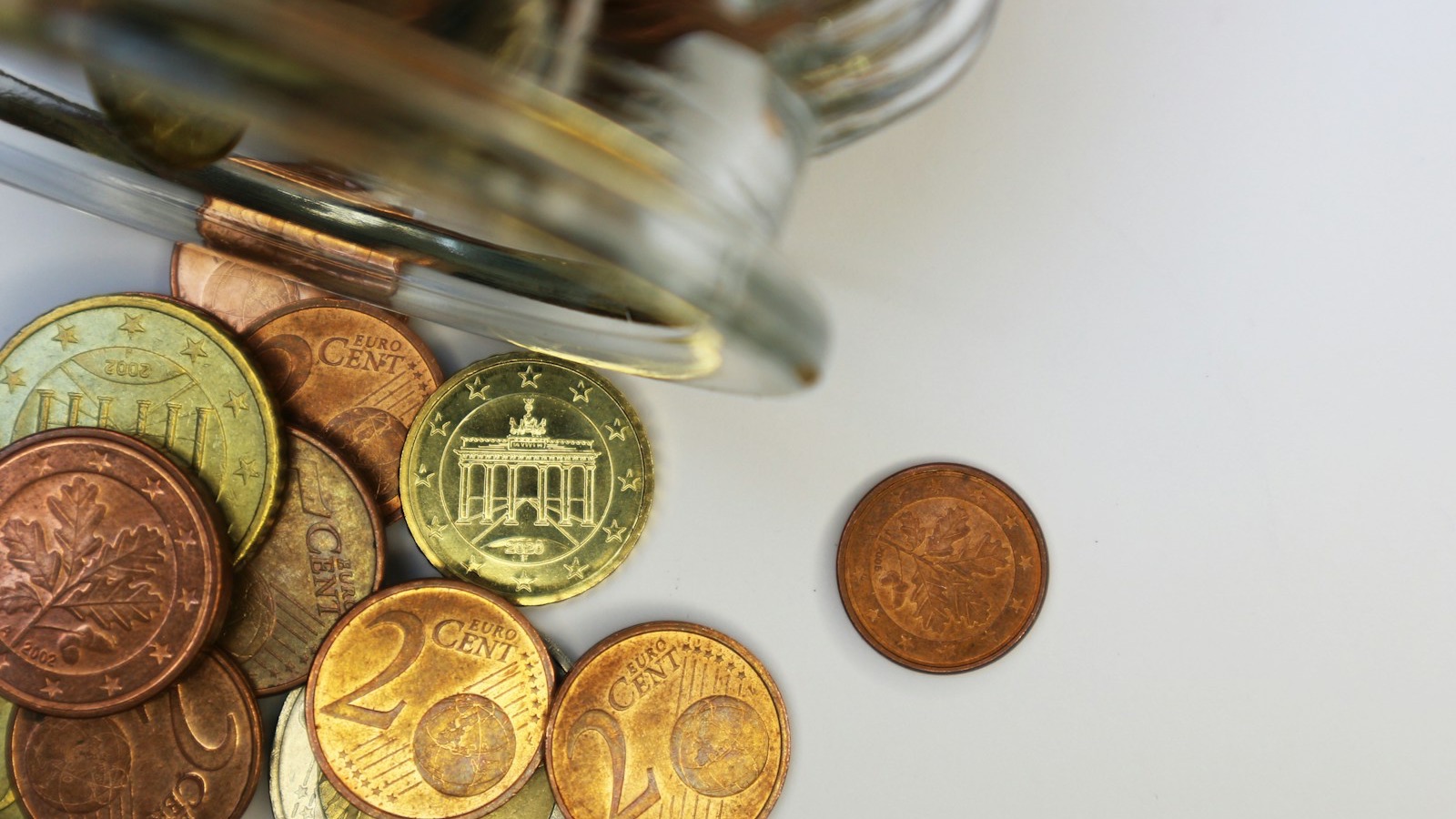
If you are domiciled in France, you must declare each bank account, digital-asset (crypto) account and life-insurance contract you opened, held, used or closed abroad during the year. You do this on form 3916 or 3916 bis, filed with your annual income return (Service-Public, news of 18 May 2026; impots.gouv.fr). The fine for an undeclared account is €1,500, and €10,000 where the country has no anti-fraud agreement with France (Service-Public).
This is general information, not tax advice. The form and the penalty figures can change, so check the current version on impots.gouv.fr before you file.
The short answer
- Who: individuals domiciled in France, and their co-holders and proxy holders (Service-Public).
- What: bank accounts, digital-asset accounts and life-insurance or capitalisation contracts held abroad (Service-Public).
- Form: the single form 3916 / 3916 bis, filed with your income return (Service-Public).
- Penalty: €1,500 per undeclared account (Service-Public).
Who must declare
The obligation applies to individuals domiciled in France in the sense of article 4 B of the French tax code (CGI). It covers you whether you are the account holder, a co-holder or the beneficial owner of the account (impots.gouv.fr). Service-Public adds that it also applies if you only hold a power of attorney over the account (Service-Public).
For this rule, France means mainland France, Monaco, the overseas departments, Saint-Barthélemy and Saint-Martin (impots.gouv.fr). The declarant can also be the legal representative of a child or a protected adult in the tax household.
The tax authority says the rule covers accounts “ouverts, détenus, utilisés ou clos à l’étranger au cours de l’année”, meaning accounts opened, held, used or closed abroad during the year. In the year you move to France, list every account you held abroad, including any you closed during that year.
Not everyone needs this step. If you hold no foreign accounts, or your accounts are all in France, there is nothing to declare.
What counts
The Service-Public page lists three types of account (Service-Public):
- Bank accounts (comptes bancaires)
- Digital-asset accounts (comptes d’actifs numériques), which is the category for crypto holdings held on a platform
- Life-insurance or capitalisation contracts (contrats d’assurance-vie ou contrats de capitalisation)
Closed accounts count too. The tax authority says an account closed abroad during the year must be declared (impots.gouv.fr).
The list is wider than banks. It includes accounts with investment service providers and with people such as notaries or stockbrokers who hold securities or cash (impots.gouv.fr). The digital-asset rule, in article 1649 bis C of the tax code, covers cryptocurrencies and digital tokens (impots.gouv.fr, digital assets).
There is one narrow exception. An account used only to make online purchases or to collect payments for sales of goods is not covered when the total is under €10,000 a year for all such accounts and the account is linked to an account opened in France (impots.gouv.fr). A foreign account that receives your salary or savings does not fit this exception.
Service-Public warns that you can hold a foreign account without noticing. A neobank is a mobile-only payment institution that is often based abroad. Its simple test: if the IBAN of your main account does not start with “FR”, the account is probably held abroad (Service-Public).
How to declare
You declare at the same time as your annual income return, and you do it every year. When you file online, first tick box 8UU on the income return, then fill in the single form 3916-3916 bis. Box 8UU may already be ticked if a foreign institution has sent your details to the tax authority (Service-Public). If you file on paper, you can download and print the form and its notice.
One declaration is needed for each account, contract and investment, and the joint-account rule below applies (Service-Public). Gather the details of each account before you start. If this is your first return in France, read how your first French tax return works before you begin.
For digital-asset accounts, the deadline is the same as the deadline for your income return. The tax authority’s digital-asset page says you can also give the exact account references in the “autres renseignements” (other information) section of the online return (impots.gouv.fr, digital assets).
Joint accounts and powers of attorney
If you share an account with your spouse, you declare it once. The page says “une seule déclaration doit être faite pour un même compte ou contrat ouvert par des conjoints” (Service-Public).
The same rule covers a case where one of you holds a power of attorney over the other’s account. You declare it once, not twice.
Penalties
If you do not file the declaration, the fine under article 1736 of the tax code is €1,500 per undeclared account (impots.gouv.fr). Where the country or territory has no agreement with France to fight tax fraud, the fine is €10,000 per account (Service-Public).
An inaccurate or incomplete declaration can be fined under article 1729 B (2) of the tax code. Money found on an undeclared account can also be taxed as presumed income under article 1649 A, with a 40% surcharge (impots.gouv.fr).
Check every account for the year
The rule is wider than the accounts you still hold. The Service-Public page covers accounts that were opened, held, used at least once, or closed during the year (Service-Public). Go through your statements for the whole year, including months when you did not use the account, and list every account that falls into one of those four cases.
Not everyone needs a long search. If your only bank account all year was in France, there is nothing to declare on this form.
Common mistakes
- Forgetting a closed account. An account closed abroad during the year still counts. Check your statements for the whole year.
- Leaving out a crypto platform. Digital-asset accounts are a listed category. Check every platform you used during the year, not just the ones you still hold.
- Declaring a joint account twice. One declaration covers an account held by spouses, including a power of attorney case.
- Forgetting life-insurance contracts. A life-insurance or capitalisation contract abroad is on the list.
- Filing the form only once. The declaration is due every year with your income return, after you tick box 8UU, for as long as you hold the account.
Frequently asked questions
Do you declare a neobank account?
Service-Public describes a neobank as a mobile-only payment institution that is often based abroad. Check the IBAN: if it does not start with “FR”, the account is probably held abroad and must be declared, unless it fits the narrow online-payments exception (Service-Public). If you are unsure, ask your tax office.
Do closed accounts need to be declared?
Yes, if the account was closed abroad during the year. The tax authority says closed accounts count (impots.gouv.fr).
Do you declare an account you used only once?
Yes. The Service-Public page lists accounts that were used at least once during the year, so a single use is enough to bring an account within the rule (Service-Public).
Does a crypto exchange abroad count?
Yes. The tax authority lists digital-asset accounts, such as cryptocurrency accounts, opened, held, used or closed abroad (impots.gouv.fr). The digital-asset page names form 3916-bis for these accounts (impots.gouv.fr, digital assets).
How much is the fine for a missing declaration?
€1,500 per undeclared account, or €10,000 where the country has no tax-fraud cooperation agreement with France (Service-Public).
Next steps
- Read the tax basics guide for tech workers in France for how your first return works.
- Check the relocation checklist for France for the steps before you file.
- Use the salary after tax calculator to see your take-home pay, then compare it with tech jobs in Paris.
This guide is general information, not tax advice. Rules and fees change. Always check the official pages linked above before you apply.